Blog

Your blog category

PCOS treatment in Delhi with gynecology consultation at Swastik Hospital
Blog

PCOS Symptoms, Causes & Treatment: Complete Guide for Women (2026)

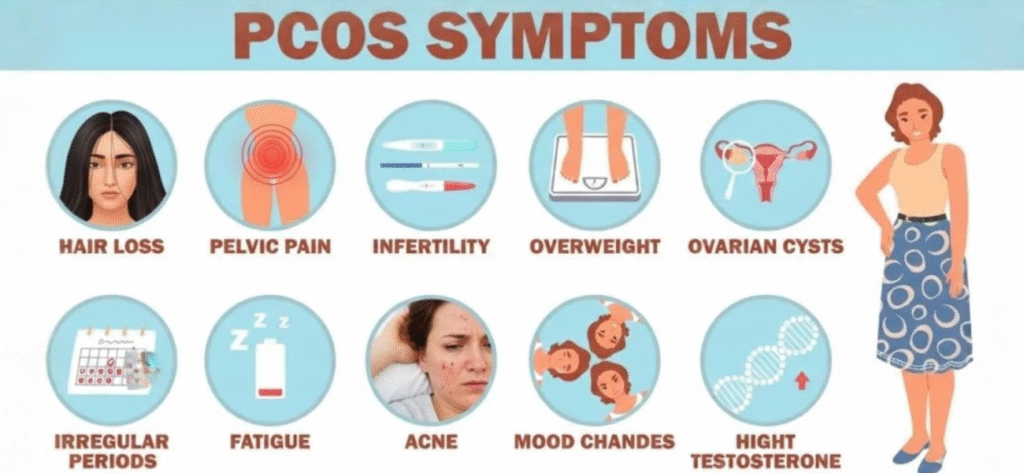
If you’ve been dealing with irregular periods, sudden weight gain, acne that doesn’t improve, or unwanted facial hair—there’s a good chance you’ve already heard the term “PCOS.” Many women search online, feel confused, and end up trying random supplements or home remedies. But PCOS is not something you should guess. It needs the right diagnosis and a long-term plan. PCOS is common, treatable, and manageable. The problem is not PCOS itself—the problem is delayed diagnosis and misinformation. This detailed guide will help you understand PCOS clearly: what it is, why it happens, the most common symptoms, how doctors diagnose it, and what the best treatment approach looks like in real life. What Is PCOS? (Simple Meaning) PCOS stands for Polycystic Ovary Syndrome. It is a hormonal condition that affects the ovaries and impacts: Many women with PCOS have irregular ovulation. This can cause delayed periods, acne, and difficulty in conceiving. However, not every woman with PCOS will face fertility issues. How Common Is PCOS in India? PCOS has become extremely common, especially in urban areas. The reason is a mix of lifestyle factors, stress, lack of sleep, insulin resistance, and genetics. Today, PCOS is one of the top reasons women visit a gynecologist for: This is also why “PCOS symptoms” and “PCOS treatment” are high-traffic search terms in India. PCOS Symptoms: Signs You Should Not Ignore PCOS symptoms can look different in different women. Some women have strong symptoms; others have mild signs that go unnoticed for years. Most Common Symptoms of PCOS Irregular periods are usually the first major sign. You may notice: Other common symptoms include: PCOS can also increase the risk of metabolic issues over time, especially if lifestyle is ignored. What Causes PCOS? PCOS does not have one single cause. It usually happens due to a combination of factors. 1) Hormonal Imbalance In PCOS, the body may produce higher levels of androgens (male-type hormones). This can cause acne, hair growth on face, and irregular ovulation. 2) Insulin Resistance This is one of the most important PCOS triggers. Insulin resistance means your body struggles to use insulin properly, leading to: Insulin resistance also affects ovulation and hormone balance. 3) Genetics PCOS can run in families. If your mother or sister has PCOS, the risk may be higher. 4) Lifestyle Factors Modern lifestyle patterns contribute heavily: The good news is: lifestyle changes can significantly improve PCOS symptoms. PCOS vs PCOD: Is There a Difference? This is one of the most searched questions. In India, people often use PCOS and PCOD interchangeably. Technically: In practical gynecology care, doctors focus more on symptoms, hormone levels, and overall health rather than the label. How PCOS Is Diagnosed PCOS diagnosis is not based on ultrasound alone. Many women think, “My ultrasound shows cysts, so I have PCOS.” That is not always true. A gynecologist usually considers: A proper evaluation helps avoid over-diagnosis and unnecessary medicines. At Swastik Hospital, a structured gynecology consultation can help women understand their condition clearly and avoid confusion caused by random online advice. PCOS Treatment: What Actually Works PCOS treatment is not one-size-fits-all. The best approach depends on your goals. Some women want: A good gynecologist creates a plan based on your needs. Lifestyle Changes for PCOS (The Real Foundation) Lifestyle changes are the most powerful part of PCOS management. Even a 5–10% weight reduction can improve: Diet Tips for PCOS A PCOS-friendly diet is not about starving. It’s about stability. Focus on: Avoid: Exercise Tips You don’t need extreme workouts. Consistency matters more. Best options: Medical Treatment for PCOS Medical treatment depends on symptoms. 1) For Irregular Periods Doctors may prescribe medicines to regulate cycles and protect the uterus lining. This is important because long gaps between periods can increase the risk of endometrial thickening. 2) For Acne and Excess Hair Growth Treatment may include: If acne is severe, a combined approach of gynecology + dermatology can give better results. 3) For Insulin Resistance Some women may require medicines to improve insulin sensitivity, especially if lifestyle changes alone are not enough. 4) For Fertility Planning If pregnancy is a goal, treatment is planned differently. Many women with PCOS can conceive naturally with lifestyle correction and ovulation support. PCOS and Pregnancy: Can You Get Pregnant Naturally? Yes—many women with PCOS conceive naturally. However, PCOS can make ovulation irregular, which is why some women take longer to conceive. A gynecologist may recommend: The most important thing is early planning and correct guidance instead of panic. PCOS Complications If Left Untreated PCOS is manageable, but ignoring it for years can increase risk of: That’s why early diagnosis and regular follow-up with a gynecologist matters. PCOS and Mental Health PCOS is not only physical. Many women experience: A supportive gynecologist makes a big difference because PCOS management is a long journey, not a one-time prescription. When to Visit a Gynecologist for PCOS You should consult a gynecologist if you have: A proper consultation at Swastik Hospital can help you get clarity, diagnosis, and a safe treatment plan. How Swastik Hospital Supports Women’s PCOS Care A good hospital setup helps PCOS patients because it offers: PCOS is not about quick fixes. It needs consistent, safe, and realistic care—something that a trusted hospital environment can support well. About Dr. Ritu (Gynecology Specialist) Dr. Ritu is a dedicated Gynecology Specialist who focuses on women’s health issues including irregular periods, PCOS, hormonal imbalance, pregnancy care, and preventive gynecology. Her approach is patient-friendly and evidence-based, with an emphasis on clear diagnosis and long-term health planning. At Swastik Hospital, Dr. Ritu supports women with PCOS through structured consultation, lifestyle guidance, and personalized treatment planning based on symptoms and health goals. Final Words PCOS can feel overwhelming at first—but with the right information and correct medical guidance, it becomes manageable. The key is to avoid random online treatments and focus on a plan that supports your hormones, metabolism, and lifestyle. If you are noticing symptoms like irregular periods, acne, weight gain, or hair issues, don’t ignore them.

Hair fall treatment in Gurgaon with dermatologist consultation and scalp examination
Blog

Hair Fall Treatment in Gurgaon: Causes, Solutions & When to Visit a Hair Specialist

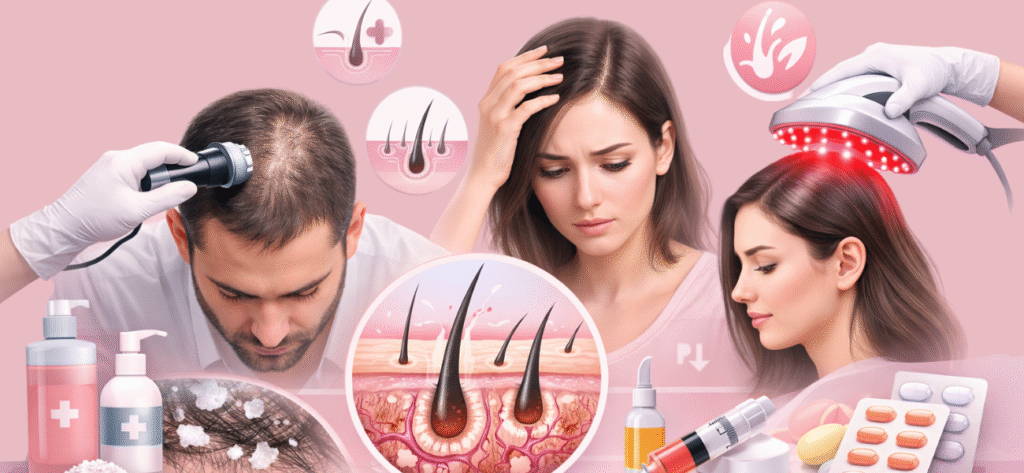
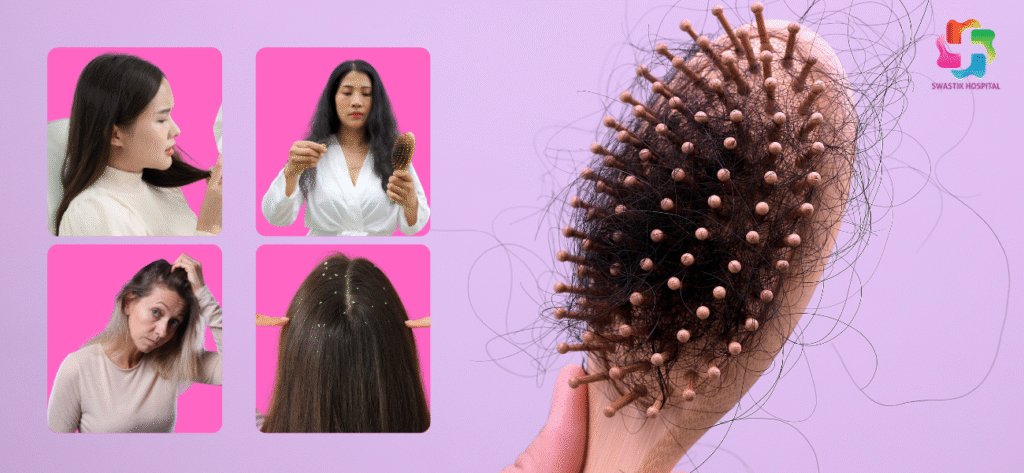
Hair Fall Treatment in Gurgaon: Causes, Solutions & When to Visit a Hair Specialist Hair fall is one of those problems that most people ignore at first. You notice a few strands on your pillow, a little hair in the shower drain, or extra shedding while combing. You tell yourself, “It’s normal.” But slowly, you start seeing your hairline change, your parting widen, or your ponytail become thinner. The truth is—hair fall is common, but it is not always normal. If you are searching for the right hair fall treatment in Gurgaon, it usually means the problem has started affecting your confidence, routine, and peace of mind. And that’s exactly when professional guidance matters. A dermatologist is not just a “skin doctor”—they are also a trained hair specialist who understands scalp health, hair growth cycles, and medical causes behind hair thinning. In this detailed guide, you’ll learn the real reasons behind hair fall, what treatments actually work, what myths to avoid, and how a hospital-based dermatology setup like Swastik Hospital can support safe and long-term hair care. Why Hair Fall Happens (And Why It Feels Worse Than It Is) First, a small reassurance: shedding some hair daily is normal. Most people lose around 50–100 hairs per day. But when you start noticing: Hair coming out in clumps Visible scalp through hair Thinning at the crown Receding hairline Patchy bald spots Persistent dandruff and itching Hair breakage that doesn’t stop …it’s time to stop guessing and start treating. The key point is simple: hair fall is not one single disease. It’s a symptom with many possible causes, and the right hair fall treatment depends completely on the cause. Hair Growth Cycle: The Basics Every Person Should Know To understand hair fall, you need to understand the hair cycle. Hair grows in three phases: Anagen (Growth phase): Hair actively grows Catagen (Transition phase): Hair stops growing Telogen (Resting phase): Hair sheds naturally When something disrupts this cycle—stress, hormones, illness, deficiency, genetics—hair shedding increases. A dermatologist evaluates your pattern of hair fall and scalp condition to identify which phase is being affected. Top Causes of Hair Fall in Men and Women 1) Stress and Sleep Issues Stress is one of the most underestimated causes. Emotional stress, work pressure, anxiety, and poor sleep can push hair into the shedding phase. Even if you take supplements, stress-related hair fall will not improve unless the trigger is addressed. 2) Nutritional Deficiencies In India, deficiencies are extremely common due to lifestyle and diet patterns. Hair growth depends on: Iron Vitamin D Vitamin B12 Protein Zinc A good dermatologist may recommend blood tests only when necessary. At Swastik Hospital, hospital-based care can make it easier to get proper evaluation and avoid random supplement use. 3) Hormonal Imbalance Hormones affect hair more than most people realize. Common hormonal causes include: Thyroid problems PCOS in women High androgen levels Post-pregnancy hormonal shifts This is why women often experience hair fall along with acne, irregular periods, or weight changes. 4) Genetics (Pattern Hair Loss) Male and female pattern hair loss is one of the most common long-term causes. In men, it often starts as: Receding hairline Thinning crown In women, it usually appears as: Wider parting Overall thinning at the top This condition can be managed effectively if treated early, but it requires long-term planning, not short-term quick fixes. 5) Post-Illness Hair Fall Many people notice hair fall after: Viral fever Dengue Typhoid COVID Major infections This is called telogen effluvium. It often starts 6–10 weeks after illness and can be intense, but it is usually reversible with correct care. 6) Dandruff and Scalp Conditions A healthy scalp is essential for healthy hair. Scalp issues that can cause hair fall include: Dandruff (seborrheic dermatitis) Fungal infections Psoriasis Chronic itching and inflammation A dermatologist treats the scalp first, because without scalp control, hair treatments will not work well. 7) Over-Styling and Chemical Damage Heat styling, repeated coloring, keratin treatments, and harsh shampoos can cause breakage and thinning. This is not always “hair fall from roots,” but it still reduces hair density and makes hair appear weaker. When Should You See a Hair Specialist in Gurgaon? You should consider visiting a dermatologist if you notice: Hair fall lasting more than 6–8 weeks Visible thinning Bald patches Sudden severe shedding Scalp itching, dandruff, or pain Family history of baldness Hair fall with acne or hormonal symptoms If you’re looking for a hair specialist doctor in Gurgaon, it’s best to choose a place where diagnosis is done medically rather than just recommending random oils and shampoos. A hospital-based dermatology department like Swastik Hospital can be helpful because it supports structured evaluation and safe follow-ups. Hair Fall Treatment in Gurgaon: What Actually Works The best hair fall treatment depends on the diagnosis. But in general, dermatologists use a combination approach. 1) Medical Treatment (Topical & Oral) A dermatologist may recommend: Topical solutions to support hair growth Oral medicines when required Anti-dandruff and scalp treatments The goal is to reduce hair fall first, then stimulate growth. Important: Never self-start strong hair medicines without a doctor, because some treatments require monitoring and correct dosage. 2) Scalp Care and Dandruff Control Many people focus only on hair, not the scalp. Dermatologists often treat: Scalp inflammation Fungal infections Excess oiliness Chronic dandruff Once scalp health improves, hair growth response becomes better. 3) Nutrition and Lifestyle Guidance A realistic plan includes: Protein intake improvement Correct supplements only if needed Hydration Sleep correction Stress reduction This is where patient-friendly counseling at Swastik Hospital can help, especially for families who prefer a hospital environment over cosmetic clinics. 4) PRP (Platelet-Rich Plasma) for Hair PRP is a popular option. In PRP: A small amount of your blood is taken Platelets are concentrated It is injected into the scalp PRP may help in selected cases like early thinning and pattern hair loss. It is not a miracle cure, but it can be a useful support treatment. 5) Microneedling for Scalp Microneedling is sometimes used

PCOS symptoms causes and treatment for irregular periods
Blog

PCOS/PCOD: What It Is, Symptoms, Causes, Why Periods Become Irregular & Best Treatment Options

Irregular periods, sudden weight gain, acne, facial hair growth, and difficulty getting pregnant—these are not just “normal hormonal changes.” For many women, these symptoms are linked to a very common hormonal condition called PCOS (Polycystic Ovary Syndrome) or PCOD (Polycystic Ovarian Disease). In India, PCOS/PCOD has become one of the most searched women’s health topics because it affects teenagers, working women, and even women planning pregnancy. The good news is: PCOS is manageable with the right diagnosis, lifestyle changes, and medical treatment when required. This blog will help you understand: What is PCOS? PCOS (Polycystic Ovary Syndrome) is a hormonal condition where the ovaries may produce higher-than-normal levels of male hormones (androgens). This hormonal imbalance can affect: In PCOS, many women do not ovulate regularly. When ovulation doesn’t happen properly, the cycle becomes irregular and symptoms increase over time. What is PCOD? PCOD (Polycic Ovarian Disease) is a term commonly used in India to describe a similar condition where the ovaries may develop multiple small follicles (sometimes called “cysts”), and ovulation becomes irregular. PCOS vs PCOD: What’s the Difference? In real-world clinical practice: However, many people use both terms interchangeably, and the treatment approach is often similar. Why PCOS/PCOD is Becoming So Common Today PCOS is not a rare condition. It is increasingly common due to: Even women who are not overweight can have PCOS, so it is not only a “weight problem.” PCOS/PCOD Symptoms (Most Common Signs) PCOS symptoms can vary from person to person. Some women have mild symptoms, while others experience strong hormonal changes. 1) Irregular Periods This is the most common sign.You may experience: 2) Acne and Oily Skin Hormonal imbalance can trigger acne, especially: 3) Unwanted Hair Growth (Hirsutism) Some women notice thick hair growth on: 4) Hair Fall or Thinning PCOS can cause scalp hair thinning (female pattern hair loss). 5) Weight Gain (Especially Belly Fat) Many women gain weight quickly or find it hard to lose weight. 6) Dark Patches on Skin (Acanthosis Nigricans) Darkening around: 7) Mood Changes Hormonal imbalance can contribute to: 8) Difficulty Getting Pregnant Because ovulation is irregular, PCOS is one of the leading causes of infertility. PCOS Causes: Why Does It Happen? PCOS does not have one single cause. It usually happens due to a combination of hormonal and metabolic factors. 1) Insulin Resistance (Most Important Factor) Insulin is a hormone that helps control blood sugar.In many PCOS patients, the body becomes resistant to insulin. As a result, the body produces more insulin. High insulin levels can lead to: 2) Hormonal Imbalance (High Androgens) Androgens are normally present in small amounts in women.In PCOS, higher androgen levels cause: 3) Genetic Factors If your mother, sister, or aunt has PCOS, your risk increases. 4) Lifestyle Factors High stress, poor sleep, and processed food can worsen hormonal imbalance and insulin resistance. Why Periods Become Irregular in PCOS? To understand this, you need to know what happens in a normal cycle. Normal Cycle: In PCOS: When ovulation does not occur regularly, the uterine lining builds up for longer, which can sometimes lead to: Is PCOS Dangerous? PCOS is not “dangerous” in most cases, but it should not be ignored. If PCOS is untreated for long periods, it may increase the risk of: This is why early diagnosis and regular follow-up with a gynecologist are important. How PCOS/PCOD is Diagnosed A gynecologist usually diagnoses PCOS based on: 1) Medical History Doctor will ask about: 2) Blood Tests Common tests include: 3) Pelvic Ultrasound Ultrasound may show: Important: Not every woman with PCOS will have cysts on ultrasound. Best Treatment for PCOS/PCOD (Real & Practical) PCOS treatment is not “one medicine for all.”It depends on your main goal: 1) Lifestyle Changes (Most Powerful Treatment) For many women, lifestyle changes can improve symptoms significantly. Healthy Diet Tips A PCOS-friendly diet usually focuses on: Best foods: Avoid or reduce: Exercise You don’t need extreme workouts.Even 30–45 minutes, 5 days/week can help. Best exercises for PCOS: Weight Loss (If Overweight) Even a 5–10% weight loss can: 2) Medicines for Period Regulation If periods are very irregular, doctors may prescribe: These help protect the uterus and regulate bleeding. 3) Medicines for Insulin Resistance In some patients, doctors may prescribe insulin-sensitizing medicines (commonly used in PCOS). This can help: 4) Acne & Hair Growth Treatment Depending on symptoms, doctors may recommend: Self-medicating is not recommended because hormone medicines should be taken only under medical supervision. PCOS and Pregnancy: Can You Get Pregnant with PCOS? Yes—many women with PCOS get pregnant naturally or with treatment. PCOS mainly affects pregnancy because ovulation is irregular.Once ovulation improves, pregnancy becomes possible. Tips for Women Trying to Conceive If pregnancy does not happen after 6–12 months of trying (depending on age), your doctor may recommend: PCOS in Teenagers: Why Early Diagnosis Matters Many girls experience irregular periods for 1–2 years after starting periods. That can be normal. But if a teenager has: Early lifestyle correction can prevent long-term complications. Can PCOS be Cured Permanently? This is a common question. PCOS is usually considered a chronic condition, meaning it can stay long-term.However, the symptoms can be controlled extremely well. Many women experience: So instead of “cure,” think of PCOS as something that can be managed successfully. When Should You See a Gynecologist? You should consult a gynecologist if you have: Early consultation helps in accurate diagnosis and safe treatment. Frequently Asked Questions (FAQs) 1) Is PCOS the same as PCOD? They are closely related and often used interchangeably. PCOS is generally a broader hormonal syndrome, while PCOD is sometimes considered a milder ovarian condition. 2) Can a thin girl have PCOS? Yes. PCOS can occur even in women with normal weight. 3) Does PCOS cause infertility? PCOS can make pregnancy difficult due to irregular ovulation, but most women can conceive with proper treatment. 4) Can PCOS go away after marriage? No. Marriage does not cure PCOS. Lifestyle and medical treatment are needed. 5) Is ultrasound enough to confirm PCOS? No. Diagnosis is based

Swastik Hospital is one of the first multi-speciality hospitals in Gurugram. Being known for staying ahead of times, Swastik Hospital has a state-of-the-art modern medical facility with specialized equipment.

Copyright © 2025 Swastik Hospital |  Designed by Artistry Media

Scroll to Top