
Swastik Hospital

Blog

Pediatrician Hospital in Gurugram Sector 57 | Swastik Hospital

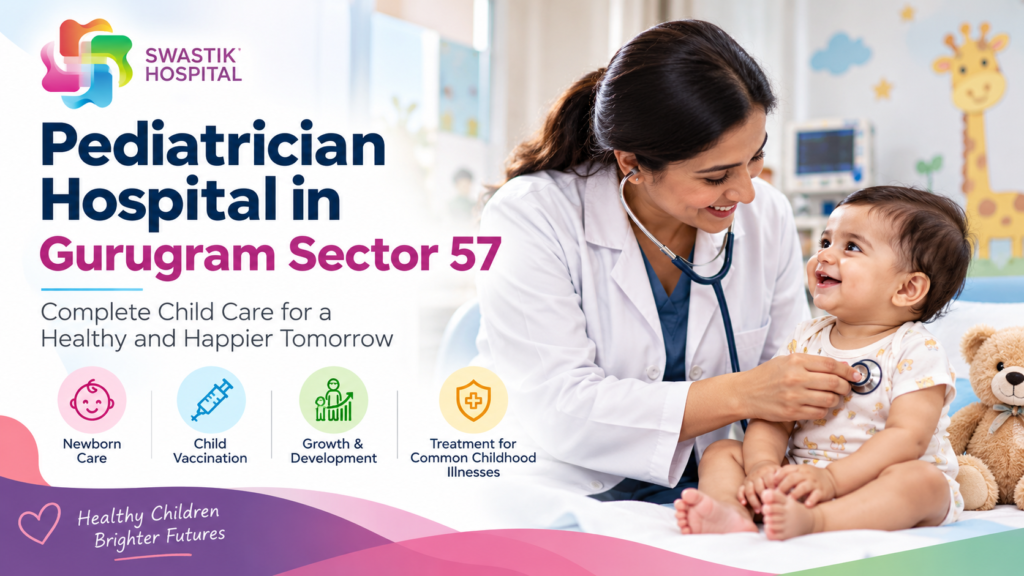
Pediatrician Hospital in Gurugram Sector 57: Care for Your Child When a child develops a fever, has difficulty feeding or seems less active than usual, parents naturally want medical advice they can trust. From routine health check-ups to vaccinations and concerns about growth, choosing the right pediatric care can make it easier to manage a child’s health at every stage. If you are looking for a pediatrician hospital in Gurugram Sector 57, it helps to choose a facility that can support your child’s everyday healthcare needs and guide you when symptoms require medical attention. Swastik Hospital, located in Sector 57, Gurugram, offers pediatric services alongside other medical specialties. Its pediatric care includes newborn and infant care, immunization, common childhood illnesses, and growth and development monitoring. Why Is Pediatric Care Important? Children’s health needs change as they grow. Newborns require close attention to feeding and early development, while older children may need help managing infections, allergies, nutritional concerns or developmental milestones. A pediatrician can assess symptoms, review a child’s medical history and recommend appropriate care. Regular check-ups also provide an opportunity to discuss nutrition, sleep, vaccinations and developmental progress. Parents should not wait for a child to become seriously unwell before seeking advice. Routine preventive care can help identify concerns early and keep recommended health checks up to date. Pediatric Services at Swastik Hospital, Sector 57 Swastik Hospital provides pediatric care for infants, children and adolescents. The hospital’s child healthcare services in Gurugram provide further information about the care available. 1. Newborn and Infant Care The first months of life bring many questions for new parents. Feeding patterns, weight gain, sleep and general development are common concerns during this period. Newborn and infant check-ups help assess a baby’s health and growth. Parents can also discuss feeding difficulties, unusual symptoms and recommended follow-up visits with a healthcare professional. 2. Vaccination and Immunization Vaccination helps protect children against several infectious diseases. The timing of vaccines depends on the child’s age, vaccination history and applicable immunization recommendations. Parents should keep their child’s vaccination record and ask the healthcare team which vaccines are due. If a dose has been missed, consult a qualified healthcare professional about the appropriate catch-up schedule rather than restarting or changing the schedule independently. 3. Fever, Cough and Common Childhood Illnesses Fever, cough, colds, vomiting and diarrhea are common reasons parents seek pediatric advice. Although many childhood illnesses improve with appropriate care, the symptoms, duration and child’s age all matter when deciding what to do next. A pediatric assessment can help determine whether home care, monitoring, testing or medical treatment is necessary. Avoid giving children medication without checking the appropriate medicine and dose with a qualified healthcare professional. 4. Growth and Development Monitoring Children develop at different rates, but regular monitoring helps healthcare professionals assess growth and identify concerns that may need further evaluation. During a check-up, parents can discuss height, weight, feeding, speech, movement and developmental milestones. If a child loses previously acquired skills or shows a developmental change that concerns you, seek medical advice rather than waiting for the next routine visit. 5. Nutrition and General Wellness Healthy eating, adequate sleep, physical activity and good hygiene all contribute to a child’s wellbeing. However, feeding difficulties, persistent poor appetite or concerns about weight gain may need individual assessment. A pediatrician can help parents understand age-appropriate nutrition and identify when additional evaluation is needed. When Should You Consult a Pediatrician? Consider contacting a pediatrician if your child has persistent fever, repeated vomiting, diarrhea, a prolonged cough, feeding difficulties, poor weight gain or concerns about development. Some symptoms require urgent medical attention. Seek emergency care if your child has severe difficulty breathing, becomes unresponsive, experiences a seizure for the first time or has signs of severe dehydration. A baby younger than three months with a temperature of 38°C (100.4°F) or higher needs urgent medical assessment. If you are unsure how serious the symptoms are, contact a healthcare professional promptly. Do not delay emergency care while trying to arrange a routine appointment. How to Choose a Pediatrician Hospital in Gurugram Sector 57 Choosing pediatric care involves more than finding a nearby hospital. Consider the following factors when deciding where to take your child. Range of services: Check whether the facility provides routine consultations, vaccination, newborn care and assessment of common childhood illnesses. Clear communication: Parents should be able to discuss their concerns and understand the doctor’s recommendations, follow-up instructions and warning signs. Preventive care: Regular growth monitoring and vaccination guidance are important parts of childhood healthcare, not just treatment when a child becomes ill. Access to urgent care: Ask about the hospital’s emergency arrangements and what to do if your child becomes seriously unwell outside a routine appointment. Location and appointment arrangements: A convenient location in Sector 57 can make routine visits easier for families living or working in Gurugram. Pediatric Care at Swastik Hospital Swastik Hospital is located at 2119, near Rohit Department Store, Block G, Sushant Lok 2, Sector 57, Gurugram, Haryana 122011. Parents looking for pediatric care can explore the hospital’s child hospital and pediatric services page for information about newborn care, immunization, childhood illnesses and growth monitoring. For appointments and current service details, visit the Swastik Hospital website or contact the hospital at +91 88008 97790 or +91 99538 92166. If your child is experiencing a medical emergency, seek urgent care rather than waiting for a routine appointment. Frequently Asked Questions Where can I find a pediatrician hospital in Gurugram Sector 57? Swastik Hospital is located in Sector 57, Gurugram, and provides pediatric services. Contact the hospital to confirm appointment availability and the services suitable for your child’s needs. What pediatric services does Swastik Hospital provide? Its published pediatric services include newborn and infant care, vaccination and immunization, assessment of common childhood illnesses, growth monitoring and developmental guidance. When should my child visit a pediatrician? Consult a pediatrician for persistent symptoms, feeding problems, concerns about growth or development, and vaccination guidance. Seek urgent medical care for severe symptoms


Abdominal pain causes and warning signs, including indigestion, constipation, gallstones, appendicitis and kidney stones.
Blog

Abdominal Pain Causes: Warning Signs & Treatment

Abdominal Pain: Common Causes and Signs You Should Not Ignore Abdominal pain causes can range from gas and indigestion to conditions that need urgent medical attention. The pain may feel dull, sharp, cramping or burning. It can also occur in different parts of the abdomen, depending on the underlying problem. Although many cases improve with time, persistent or severe pain should never be ignored. Understanding the possible causes can help you recognise warning signs and seek the right medical care. In this guide, we explain common reasons for abdominal pain, symptoms to watch for, diagnostic tests and when to consult a doctor in Gurugram. What Is Abdominal Pain? Abdominal pain is discomfort anywhere between the chest and the groin. People often call it stomach pain or a stomachache. However, the abdomen contains several organs, including the stomach, intestines, liver, gallbladder, pancreas, kidneys and reproductive organs. Therefore, pain in this area does not always mean that the stomach itself is the problem. The location, duration and type of pain can provide useful clues. However, only a medical assessment can help identify the actual cause. Abdominal pain may be: Importantly, the intensity of pain does not always reflect how serious the condition is. Even mild pain can sometimes need prompt medical attention. What Are the Common Abdominal Pain Causes? Several conditions can cause abdominal discomfort. Some are minor, while others may require medical treatment or surgery. 1. Gas and Bloating Gas can build up in the digestive system and cause cramps, pressure or a feeling of fullness. You may also notice frequent burping or bloating. This discomfort often improves after passing gas or having a bowel movement. However, severe or persistent pain should not automatically be blamed on gas. 2. Indigestion and Acidity Indigestion may cause discomfort in the upper abdomen, particularly after meals. Other symptoms can include a burning sensation, nausea, belching and feeling full too quickly. In addition, certain foods, large meals and lying down soon after eating may worsen symptoms. If the problem keeps returning, consult a healthcare professional rather than relying on self-medication. 3. Constipation Constipation can cause cramps, bloating and difficulty passing stools. Some people also feel that their bowel movements are incomplete. Drinking enough water, eating a balanced diet and staying physically active may help prevent constipation. Nevertheless, sudden abdominal pain with vomiting or an inability to pass stool or gas needs urgent medical assessment. 4. Food Poisoning or Stomach Infection Contaminated food or water can cause abdominal cramps, diarrhoea, nausea, vomiting and sometimes fever. Most importantly, repeated vomiting and diarrhoea can lead to dehydration. Seek medical advice if symptoms are severe, you cannot keep fluids down or you notice blood in your stool. 5. Appendicitis Appendicitis occurs when the appendix becomes inflamed. The pain may begin near the belly button and then move towards the lower right side of the abdomen. It may become worse with movement, coughing or pressure. Nausea, loss of appetite and fever can also occur. Because appendicitis can become a medical emergency, seek urgent assessment if you suspect it. 6. Gallstones Gallstones can cause pain in the upper right abdomen or the upper middle abdomen. The discomfort may occur after a meal and can last for some time. Some people also experience nausea or pain that spreads towards the back or right shoulder. However, fever, yellowing of the skin or eyes, or persistent severe pain requires urgent medical attention. 7. Kidney Stones or Urinary Tract Infection Kidney stones may cause sharp pain in the side or back that spreads towards the lower abdomen or groin. Blood in the urine, nausea or pain while urinating may also occur. A urinary tract infection can cause lower abdominal discomfort, frequent urination or a burning sensation during urination. Therefore, the right diagnosis is important because these conditions need different treatments. 8. Hernia or Bowel Obstruction A hernia develops when tissue pushes through a weak area in the surrounding muscle or tissue. It may cause a visible bulge and discomfort, especially when coughing or lifting. However, a painful bulge that becomes firm or cannot be pushed back, particularly with vomiting or difficulty passing stool or gas, may indicate a serious complication. Seek emergency care. 9. Menstrual or Pregnancy-Related Conditions Menstrual cramps can cause pain in the lower abdomen. Other possible causes include ovarian cysts, pelvic infections and endometriosis. Furthermore, abdominal pain during pregnancy should be assessed carefully. Sudden or severe pain, especially with vaginal bleeding, dizziness or fainting, needs immediate medical attention because serious conditions, including ectopic pregnancy, must be ruled out. Where Does Abdominal Pain Occur? The location can help a doctor narrow down the possible cause. However, it cannot confirm a diagnosis on its own. Location of pain Possible causes Upper abdomen Indigestion, gastritis, gallbladder problems or other conditions Lower right abdomen Appendicitis, among other possible causes Lower left abdomen Constipation, bowel conditions or other causes Around the belly button Gas, digestive infection or early appendicitis Side or back spreading to the groin Kidney stones or urinary tract problems Lower abdomen with urinary symptoms Urinary tract infection or bladder problems In addition, some serious conditions can cause pain in an unexpected location. Therefore, do not rely on pain location alone to decide whether medical care is necessary. When Should You Seek Emergency Medical Care? Knowing when to seek help is one of the most important parts of understanding abdominal pain causes. Seek emergency medical care immediately if you experience: Do not wait for symptoms to disappear if any of these warning signs occur. If the pain is severe, visit an emergency department or contact local emergency services. You should also arrange a medical consultation if the pain keeps returning, persists, becomes more frequent or occurs with unexplained weight loss, changes in bowel habits or urinary symptoms. How Do Doctors Diagnose Abdominal Pain? The correct diagnosis depends on your symptoms, medical history and examination. Therefore, your doctor may ask when the pain started, where it occurs, how it feels and whether anything makes it

Viral fever symptoms including fever, headache, body ache and sore throat
Blog

Viral Fever Treatment in Gurugram | Swastik Hospital

Viral Fever: Symptoms, Causes, Treatment and Recovery Viral fever is a common health problem that can affect children and adults. It may cause a high temperature, body aches, tiredness and headache. In many cases, symptoms improve with rest and supportive care. However, some infections can become serious and need medical attention. If you have a fever, it is important to understand the possible causes and warning signs. This guide explains viral fever symptoms, treatment options and recovery tips. It also explains when you should consult a doctor. What Is Viral Fever? Viral fever refers to a rise in body temperature caused by a viral infection. Different viruses can cause fever and other symptoms. These include viruses responsible for the common cold, influenza and some gastrointestinal infections. The symptoms depend on the virus and the person’s overall health. For example, some people develop a mild fever with a runny nose. Others may experience body aches, weakness or digestive problems. However, not every fever is caused by a virus. Bacterial infections and other medical conditions can also raise body temperature. Therefore, a doctor may need to assess persistent or severe symptoms. What Are the Common Symptoms of Viral Fever? Viral fever symptoms can vary from person to person. Some symptoms appear gradually, while others develop quickly. Common symptoms include: You may experience only a few of these symptoms. In addition, the severity can vary depending on the infection. Seek medical advice if your symptoms worsen, persist or concern you. What Causes Viral Fever? Viral fever develops when a virus infects the body and triggers an immune response. The immune system raises body temperature as part of its response to infection. Viruses can spread in different ways. Some spread through respiratory droplets or particles released when an infected person coughs, sneezes or talks. Others spread through contaminated food, water or contact with infected surfaces. Certain mosquito-borne viruses can also cause fever. Your symptoms and exposure history can help a doctor decide whether further assessment or testing is needed. How Long Does Viral Fever Last? Many uncomplicated viral infections improve within a few days. However, recovery time depends on the virus, the person’s age and their overall health. Some symptoms, such as cough and tiredness, may continue after the fever settles. Meanwhile, a fever that persists, returns after improvement or becomes more severe should not be ignored. It may indicate a different infection or a complication. There is no fixed recovery time for every viral fever. Consult a doctor if you are unsure about your symptoms or recovery. How Is Viral Fever Diagnosed? A doctor usually starts by reviewing your symptoms and medical history. They may also check your temperature, hydration, breathing and other vital signs. Depending on the findings, the doctor may recommend tests. For example, blood tests or specific infection tests may be needed when dengue, malaria or another illness is suspected. However, every patient does not need every test. The doctor decides which investigations are appropriate based on the symptoms and clinical assessment. Avoid self-diagnosing a fever based only on symptoms. Several infections can cause similar signs but require different care. What Is the Treatment for Viral Fever? Treatment depends on the suspected infection and the severity of the symptoms. Many uncomplicated viral infections can be managed with supportive care. 1. Get Enough Rest Your body needs time to recover from an infection. Therefore, avoid strenuous activity while you have a fever or feel unusually weak. Get adequate sleep and return to your normal routine gradually as your symptoms improve. 2. Drink Enough Fluids Fever can increase fluid loss, especially when you sweat heavily or have vomiting or diarrhoea. Drink water regularly. Oral rehydration solution may help when fluid loss occurs because of vomiting or diarrhoea. If you cannot keep fluids down, pass very little urine or feel faint, seek medical advice promptly. 3. Eat Simple, Nutritious Meals You may have a reduced appetite during an illness. Try small, regular meals that you can tolerate. Choose a balanced diet with suitable sources of carbohydrates, protein, fruit and vegetables. There is no special food that cures every viral infection. Most importantly, maintain fluid intake and eat according to your tolerance. 4. Use Fever Medicines Carefully A doctor or pharmacist can advise whether a fever-reducing medicine is suitable for you. Always follow the recommended dose and product instructions. Do not combine medicines without checking their ingredients. Some cold and flu products contain the same active ingredient, which can lead to accidental overdose. Also, avoid self-medicating with antibiotics. Antibiotics do not treat viral infections, although a doctor may prescribe them if a bacterial infection is diagnosed. If dengue is possible, seek medical advice before taking pain or fever medicines. Aspirin and ibuprofen may increase bleeding risk in dengue. 5. Monitor Your Symptoms Keep track of your temperature, fluid intake and general condition. Notice whether the symptoms are improving or becoming worse. If the fever persists, returns or is accompanied by new symptoms, consult a doctor. Early assessment can help identify infections that need specific treatment. When Should You See a Doctor for Viral Fever? Many mild fevers improve with supportive care. However, some symptoms need medical assessment. Consult a doctor if: Infants, older adults and people with weakened immunity may need earlier assessment. Emergency Warning Signs Seek emergency medical care if you experience difficulty breathing, confusion, fainting, severe chest pain, seizures or difficulty waking up. Severe abdominal pain, bleeding or persistent vomiting during a suspected dengue infection also needs urgent medical assessment. Do not wait for a fever to reach a particular temperature if you have serious symptoms. How Can You Prevent Viral Infections? Good hygiene and appropriate preventive measures can reduce the risk of some viral infections. Follow these simple steps: In addition, stay home when you are unwell, if possible. This can help reduce the spread of respiratory infections. Remember that no single precaution prevents every viral infection. Consistent habits provide better protection. Viral Fever Treatment at Swastik Hospital, Gurugram Fever

Pregnant woman consulting a gynecologist at a hospital in Gurugram
Blog

When to Visit a Gynecologist During Pregnancy | Gurugram

When Should You Visit a Gynecologist During Pregnancy? Pregnancy is an important stage in a woman’s life, bringing physical changes, new experiences and questions about the health of both mother and baby. From the first positive pregnancy test to the final weeks before delivery, regular medical checkups help monitor progress and identify potential concerns early. Many expecting mothers wonder when they should visit a gynecologist, how often pregnancy checkups are needed and which symptoms require immediate medical attention. If you are looking for a gynecologist hospital in Gurugram Sector 57, understanding the importance of antenatal care can help you prepare for a healthier and more informed pregnancy journey. Swastik Hospital in Sector 57, Gurugram, provides gynecology and obstetrics services as part of its multispeciality healthcare offerings. You can explore the hospital’s gynecology and obstetrics services in Gurugram to learn more about available women’s healthcare services. Why Is Regular Gynecological Care Important During Pregnancy? Pregnancy involves several changes in the body, and every pregnancy progresses differently. Regular consultations with a gynecologist help assess the mother’s health, monitor the baby’s development and guide decisions about tests, nutrition and delivery planning. During pregnancy appointments, a doctor may: The timing and frequency of appointments depend on the stage of pregnancy, medical history and individual needs. When Should You Visit a Gynecologist During Pregnancy? 1. After a Positive Pregnancy Test Once you have a positive pregnancy test, arrange an appointment with a healthcare professional. An early consultation helps establish the next steps, review your medical history and determine the appropriate timing for investigations. Your doctor may discuss the expected due date, any existing medical conditions, current medications and supplements. They can also explain which symptoms are common and which need further assessment. Do not stop prescribed medicines or begin new medication or supplements without medical advice. 2. During the First Trimester The first trimester covers approximately the first 12 weeks of pregnancy. Early antenatal care helps assess your health and identify factors that may require additional monitoring. Your doctor may recommend blood and urine tests, screening investigations and an ultrasound at the appropriate stage. Common early pregnancy symptoms can include nausea, tiredness, breast tenderness and frequent urination. However, severe pain, heavy bleeding or fainting should not be dismissed as routine pregnancy symptoms. 3. During the Second Trimester The second trimester generally covers weeks 13 to 27. During this period, antenatal visits help monitor the mother’s health and the baby’s development. Depending on your pregnancy and medical history, your doctor may recommend an ultrasound to assess fetal development and other screening tests at suitable stages. This is also a useful time to discuss nutrition, physical activity, sleep, vaccinations and any concerns about your changing body. 4. During the Third Trimester The third trimester begins at around week 28 and continues until delivery. Checkups during this stage focus on monitoring the mother and baby, assessing symptoms and preparing for birth. Your gynecologist may discuss fetal movement, blood pressure, the baby’s position, delivery planning and signs of labour. Attend appointments according to your clinician’s recommended schedule, even if you feel well. Which Pregnancy Symptoms Need Medical Attention? Some discomforts are common during pregnancy, but certain symptoms require prompt medical assessment. Contact your maternity care provider urgently if you experience: Severe symptoms, heavy bleeding, seizures, chest pain or serious breathing difficulty require emergency medical attention. Do not wait for a routine appointment if you think you or your baby may be in danger. If you are searching online for a gynecologist emergency hospital in Gurugram Sector 65 or nearby areas, verify the hospital’s actual location, emergency availability and maternity facilities before travelling. Swastik Hospital lists its location in Sector 57, Gurugram, and advertises 24×7 emergency services. For urgent assistance, consult the hospital’s 24×7 emergency care information and call ahead when it is safe to do so. In a life-threatening emergency, seek immediate emergency help rather than delaying care to browse websites. What Tests May Be Recommended During Pregnancy? Pregnancy investigations are selected according to the stage of pregnancy, medical history, symptoms and clinical findings. Not every patient requires the same tests. Common investigations may include: Blood and Urine Tests These can help assess factors such as blood group, anaemia, infections and other health conditions. Additional tests may be recommended depending on individual risk factors. Ultrasound Scans Ultrasound examinations can help assess the pregnancy, fetal development and other relevant findings at recommended stages. Screening for Pregnancy-Related Conditions Your doctor may recommend screening for conditions such as gestational diabetes or high blood pressure complications when appropriate. Your gynecologist should explain why a test is recommended, when it should be performed and what the results mean for your care. How Can You Prepare for a Pregnancy Checkup? A little preparation can make each appointment more productive. Before your visit: Ask your healthcare provider which symptoms require an urgent call and whom to contact outside normal appointment hours. Why Choose a Multispeciality Hospital for Pregnancy Care? Pregnancy care may involve more than routine gynecological consultations, particularly when a patient has an existing medical condition or develops a complication. A multispeciality hospital may help coordinate consultations, diagnostic investigations and additional medical support when clinically required. When comparing a gynecologist hospital in Gurugram Sector 57, consider the qualifications of the treating doctor, the availability of relevant services, emergency arrangements, communication and follow-up care. It is also useful to ask about maternity facilities, delivery arrangements and access to newborn care rather than assuming that every hospital offers the same services. Swastik Hospital lists gynecology and obstetrics, pediatrics, general medicine, orthopedics and general surgery among its specialities. You can visit the official Swastik Hospital website for hospital information and contact details. Why Is Newborn Care Important After Delivery? Healthcare does not end when the baby is born. Newborn examinations and follow-up visits help monitor feeding, weight, growth and general health. A pediatrician can guide parents on breastfeeding support, vaccination schedules, newborn hygiene and developmental milestones. Families looking for a pediatrician hospital in Gurugram Sector 57 can

Swastik Hospital is one of the first multi-speciality hospitals in Gurugram. Being known for staying ahead of times, Swastik Hospital has a state-of-the-art modern medical facility with specialized equipment.

Copyright © 2025 Swastik Hospital |  Designed by Artistry Media

Scroll to Top