
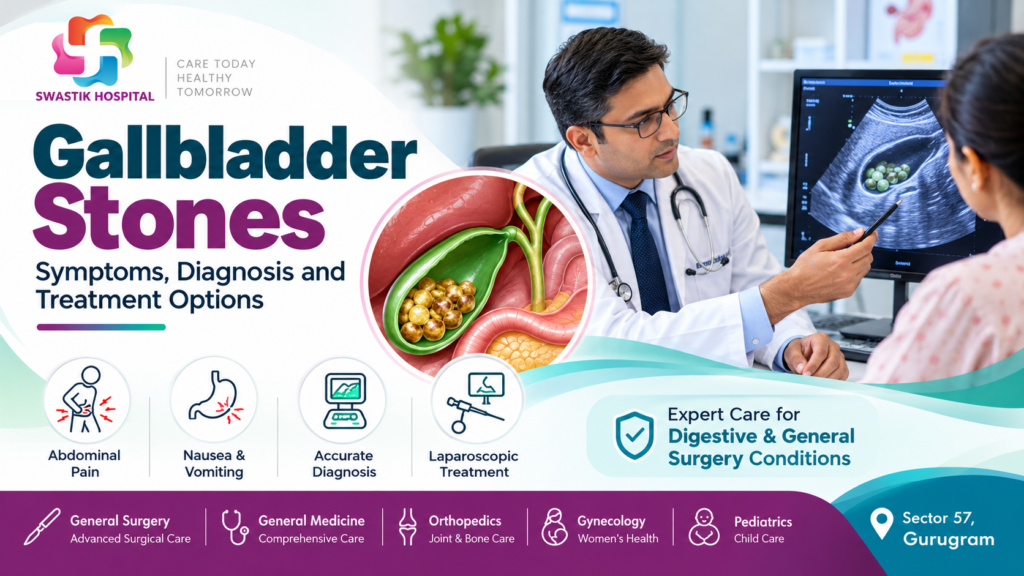
Gallbladder Stones: Symptoms, Causes and Treatment Options
Gallbladder stones, also known as gallstones, are hardened deposits that form inside the gallbladder. Some people have gallstones without experiencing any symptoms, while others may develop abdominal pain, nausea or complications that require medical attention.
Understanding the symptoms, diagnosis and available treatment options can help you make informed decisions about your health. If you are experiencing recurring abdominal pain or have been diagnosed with gallstones, consulting a qualified doctor can help determine the appropriate next step.
For people searching for gallbladder stone treatment in Gurugram, an early medical assessment can help identify whether observation, further investigation or surgery may be appropriate.
What Are Gallbladder Stones?
The gallbladder is a small organ located beneath the liver. It stores bile, a digestive fluid that helps the body process fats.
Gallstones develop when substances in bile, such as cholesterol or bilirubin, form solid deposits. Their size and number can vary, and a person may have one large stone or several smaller stones.
Gallstones do not always require treatment. However, stones that cause symptoms or block the bile ducts can lead to complications and need medical evaluation.
What Are the Common Symptoms of Gallstones?
Many people with gallstones do not experience noticeable symptoms. When symptoms occur, they may include:
- Pain in the upper-right or upper-middle abdomen
- Abdominal discomfort after meals, particularly fatty meals
- Pain that may spread to the back or right shoulder
- Nausea or vomiting
- Episodes of pain that last from minutes to several hours
Symptoms can overlap with other digestive conditions, so abdominal pain alone does not confirm the presence of gallstones.
Seek urgent medical attention if you experience severe or persistent abdominal pain, fever or chills, yellowing of the skin or eyes, or repeated vomiting. These symptoms may indicate inflammation, infection or a blocked bile duct.
What Causes Gallbladder Stones?
Gallstones can form for different reasons. Risk factors may include:
- Excess cholesterol in the bile
- Certain changes in bile composition
- Reduced emptying of the gallbladder
- Increasing age
- Excess body weight
- Rapid weight loss
- Pregnancy and certain hormonal factors
- A family history of gallstones
- Certain medical conditions
Having one or more risk factors does not mean that you will necessarily develop gallstones. A doctor can assess your symptoms, medical history and investigations to determine the appropriate management.
How Are Gallbladder Stones Diagnosed?
A doctor may begin by asking about your symptoms, medical history and the timing of abdominal pain. A physical examination and investigations can help establish the diagnosis.
Common tests may include:
Abdominal ultrasound: This is commonly used to identify gallstones and assess the gallbladder.
Blood tests: These may help identify signs of inflammation, infection or problems involving the liver and bile ducts.
Additional imaging: Depending on the findings, the doctor may recommend further imaging to investigate suspected bile duct stones or complications.
Not every patient requires every test. The investigations depend on the symptoms and the initial clinical assessment.
What Are the Treatment Options for Gallbladder Stones?
Treatment depends on whether the stones are causing symptoms, their location and whether complications are present.
1. Observation for Gallstones Without Symptoms
Gallstones discovered incidentally may not require immediate treatment if they are not causing symptoms or complications. A doctor can advise whether observation is appropriate based on the individual’s circumstances.
Patients should seek medical advice if new symptoms develop rather than assuming that previously symptom-free stones will remain harmless.
2. Gallbladder Surgery
For symptomatic gallstones, a procedure called cholecystectomy, which involves removing the gallbladder, is a common treatment option.
In many suitable patients, laparoscopic cholecystectomy can be performed using small incisions and specialised instruments. However, the appropriate technique depends on the patient’s condition, surgical assessment and available facilities.
Surgery may be recommended when gallstones cause recurrent pain, gallbladder inflammation or other complications. Your surgeon can explain the benefits, risks, alternatives and expected recovery before you make a decision.
3. Treatment for Complicated Gallstones
If a stone blocks the common bile duct or causes infection or inflammation, additional treatment may be necessary. Depending on the situation, care may involve specialised endoscopic procedures, surgery, antibiotics or hospital monitoring.
The treatment plan depends on the location of the stone and the severity of the complication.
There is no single treatment that is suitable for every patient, which is why an individual medical assessment is important.
What Is Recovery Like After Gallbladder Surgery?
Recovery varies depending on the surgical technique, the patient’s health and whether complications occur.
After surgery, your medical team may provide instructions regarding:
- Wound care and hygiene
- Prescribed medication
- Gradual return to walking and routine activities
- Dietary guidance during recovery
- Follow-up appointments
Some patients return to routine activities relatively quickly after uncomplicated laparoscopic surgery, while others need more time. Follow your surgeon’s advice about exercise, lifting and returning to work.
Contact your medical team if you develop fever, worsening abdominal pain, persistent vomiting, wound discharge or yellowing of the skin or eyes after surgery.
Where to Seek Gallbladder Stone Treatment in Gurugram Sector 57
If you experience recurring abdominal pain, nausea, or other symptoms of gallbladder stones, consult a qualified doctor for proper evaluation. Patients looking for a hospital for general surgery in Gurugram Sector 57 can explore the general surgery services at Swastik Hospital. The medical team evaluates symptoms and recommends suitable treatment based on the patient’s condition. Learn more about General Surgery in Gurugram.
When Should You Consult a General Surgeon in Gurugram?
If you have recurring upper abdominal pain, have been diagnosed with gallstones or have been advised to consider surgery, consult a qualified doctor for an individual assessment.
When looking for a general surgery hospital in Gurugram Sector 57, consider the availability of surgical consultation, diagnostic support, appropriate pre-operative assessment and post-operative follow-up.
Swastik Hospital, located in Sector 57, Gurugram, lists general surgery services that include gallbladder surgery and minimally invasive techniques when appropriate.
You can explore the hospital’s General Surgery Services in Gurugram to learn more about its listed surgical services.
For diagnostic information, visit the hospital’s Laboratory Services page. Your doctor can advise which tests are necessary for your symptoms.
Frequently Asked Questions About Gallbladder Stones
1. Can gallbladder stones go away on their own?
Most gallstones do not disappear spontaneously. Stones that cause no symptoms may not need immediate treatment, while symptomatic stones may require surgery or other management depending on the circumstances.
2. Is surgery always necessary for gallstones?
No. Gallstones without symptoms often do not require immediate treatment. Surgery is commonly recommended for symptomatic gallstones, but the decision depends on the patient’s condition and clinical assessment.
3. Can gallstones cause severe abdominal pain?
Yes. Gallstones can cause episodes of pain in the upper abdomen. Severe or persistent pain, especially with fever, vomiting or jaundice, requires urgent medical assessment.
4. How long does recovery take after gallbladder surgery?
Recovery varies according to the surgical technique, overall health and whether complications occur. Your surgeon will provide an individual recovery plan and advise when you can resume normal activities.
5. Where can I consult a general surgeon for gallstones in Gurugram?
Swastik Hospital is located in Sector 57, Gurugram, and lists general surgery services. Contact the hospital to confirm consultation availability and the services appropriate for your condition.
Conclusion
Gallbladder stones may remain symptom-free or cause recurring pain and complications. Recognising warning signs and obtaining an appropriate medical assessment can help determine whether observation, further investigation or surgery is needed.
If you are experiencing symptoms or looking for gallbladder stone treatment in Gurugram, consult a qualified doctor to discuss your diagnosis and treatment options.
This article is intended for general educational purposes and does not replace individual medical advice.